

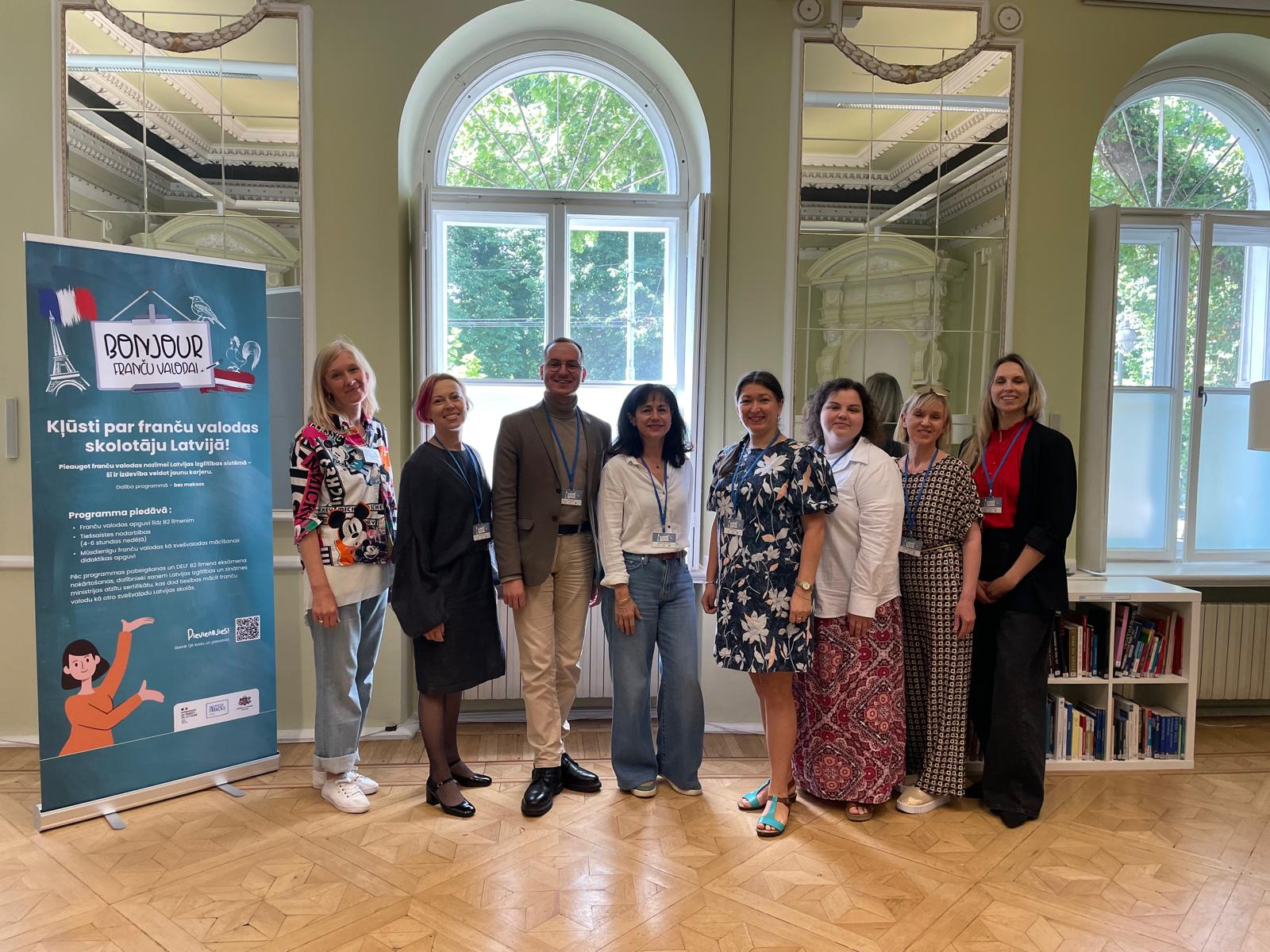
From 17 to 19 June 2026, the Alliance Française de Lyon was delighted to deliver a training course at the French Institute of Latvia in Riga, designed for teachers of French as a Foreign Language (FLE).
Over the course of three days, trainers Fabien BACHELET-GIRARD and Natalia dos SANTOS worked with 18 teachers on FLE methodology, lesson planning and the FASP – Le français au sens propre® approach. The training provided a rich opportunity for discussion, reflection and hands-on work, within a particularly stimulating Latvian educational context.
FLE Teacher Training in a Changing Educational Context
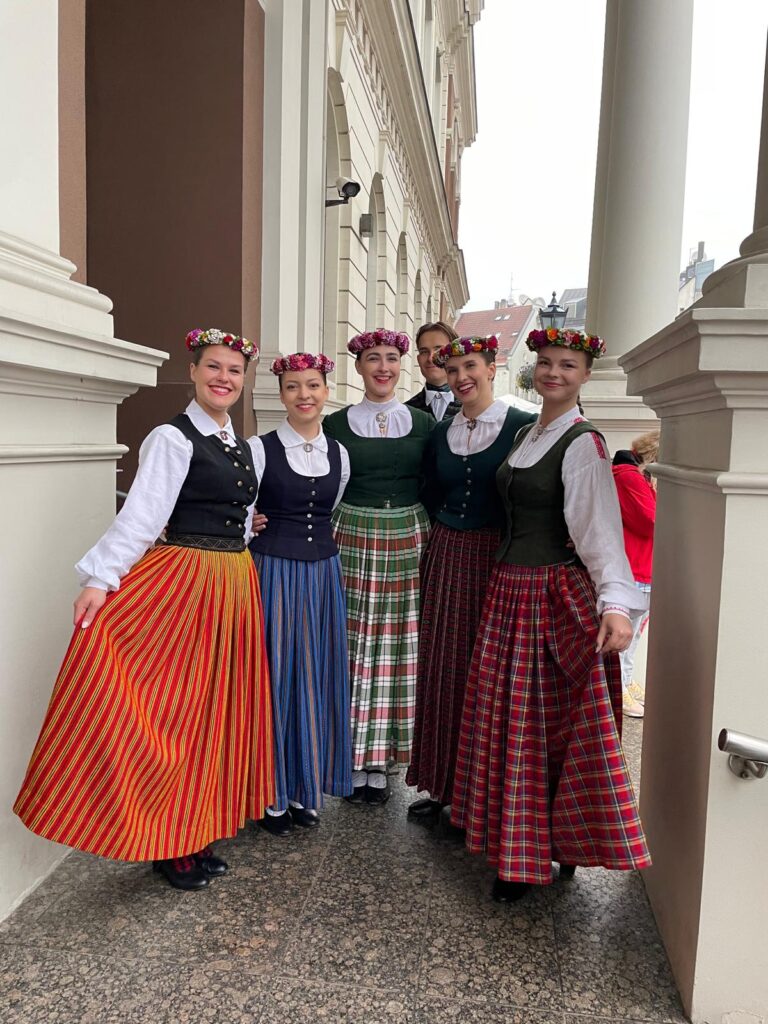
This training took place against the backdrop of educational reform in Latvia, which makes learning a second foreign language from among the languages of the European Union compulsory.
This development is creating new needs for schools and teachers. It also represents a valuable opportunity for the development of French language teaching in Latvia, as well as for training teachers who will support learners in discovering the French language.
It was within this context that the French Institute of Latvia organised the training, drawing on the expertise of the Alliance Française de Lyon.
We were fortunate to work closely with Claire-Élise Hubert, who is responsible for implementing and monitoring the programme at the French Institute of Latvia.
Two Groups, Two Complementary Approaches to FLE Methodology
The training was organised around two proficiency groups and two complementary approaches.
Supporting B1-Level Teachers in Discovering FLE Methodology
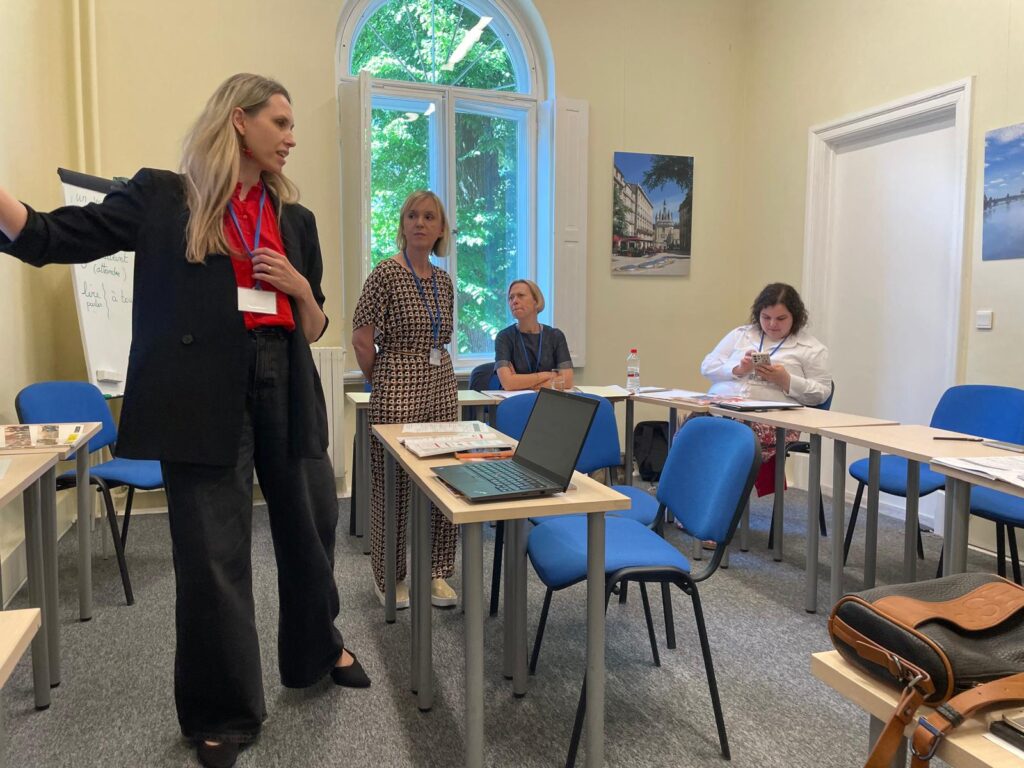
Natalia worked with the B1-level teachers to introduce and explore the fundamental principles of French as a Foreign Language methodology.
The aim was to help them gain a better understanding of the different approaches to FLE teaching and to reflect on the teaching practices best suited to their learners.
Participants worked in particular on the principles of the CEFR, the different FLE teaching methodologies, as well as the communicative approach and the action-oriented approach.
Discovering the FASP Approach with B2-Level Teachers
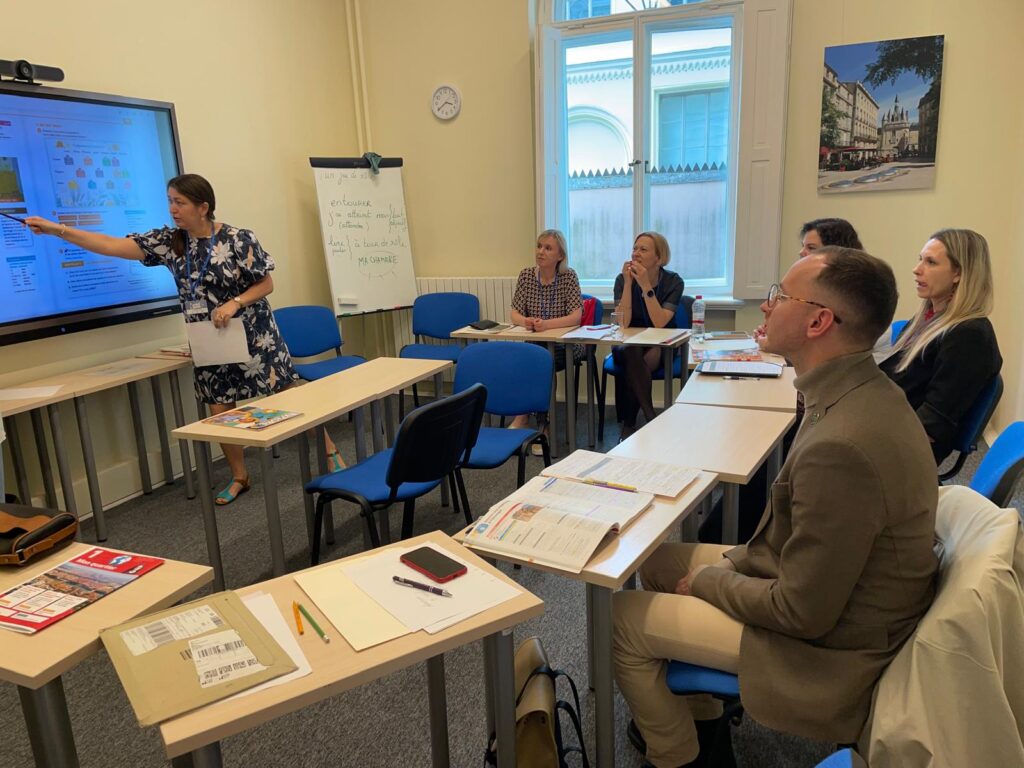
On Fabien’s side, the B2-level teachers explored the FASP – Le français au sens propre® approach. This method introduces a process based on creating teaching resources rooted in learners’ surroundings and their real-life contexts.
The aim was in particular to demonstrate how situations, places, issues and realities that are close to learners can be used as starting points for developing activities that allow them to work on their French while also developing their ability to act and interact.
This approach also opened up particularly interesting discussions on how to integrate environmental issues into French language learning.
From the CEFR to Lesson Planning
One of the objectives of the training was to provide participants with tools that could be directly reused in their own classes.
The teachers were therefore able to strengthen their knowledge and skills in several key areas of FLE teaching :
- the CEFR and its principles
- the main French as a Foreign Language teaching methodologies
- the communicative approach
- the action-oriented approach
- lesson planning
- defining learning objectives
- designing materials adapted to learners
- creating activities that encourage communication and action
The training therefore placed a strong emphasis on practical application. The aim was not simply to acquire new theoretical knowledge, but above all to enable teachers to turn this knowledge into concrete teaching tools.
Creating Teaching Resources Around French and Environmental Issues
An important part of the work carried out with the participants focused on designing teaching resources dedicated to environmental issues. The teachers were supported in creating their own materials, exploring in particular how French language learning could be combined with raising awareness of environmental concerns.
At the end of the workshops, they had created teaching resources including:
- a learner worksheet
- a teacher’s guide
- activities adapted to learners’ proficiency levels
- materials designed to develop language skills
- a topic related to environmental issues
This approach gives learning greater meaning by drawing on subjects that are part of learners’ surroundings and concerns.
It also demonstrates the value of an educational approach that brings together French language teaching, discovering the world around us and environmental education.
A Training Course Based on Sharing Practices
Beyond the tools and methods covered, these three days were above all an opportunity to share professional experiences and teaching practices.
Training FLE teachers in a different educational context also allows trainers to reflect on and question their own practices. As Fabien explains, “exchanging with the teachers helped us better understand their needs, their classroom realities and the challenges they face. This intercultural dimension was particularly enriching!”
A Very Positive Experience for the Alliance Française de Lyon
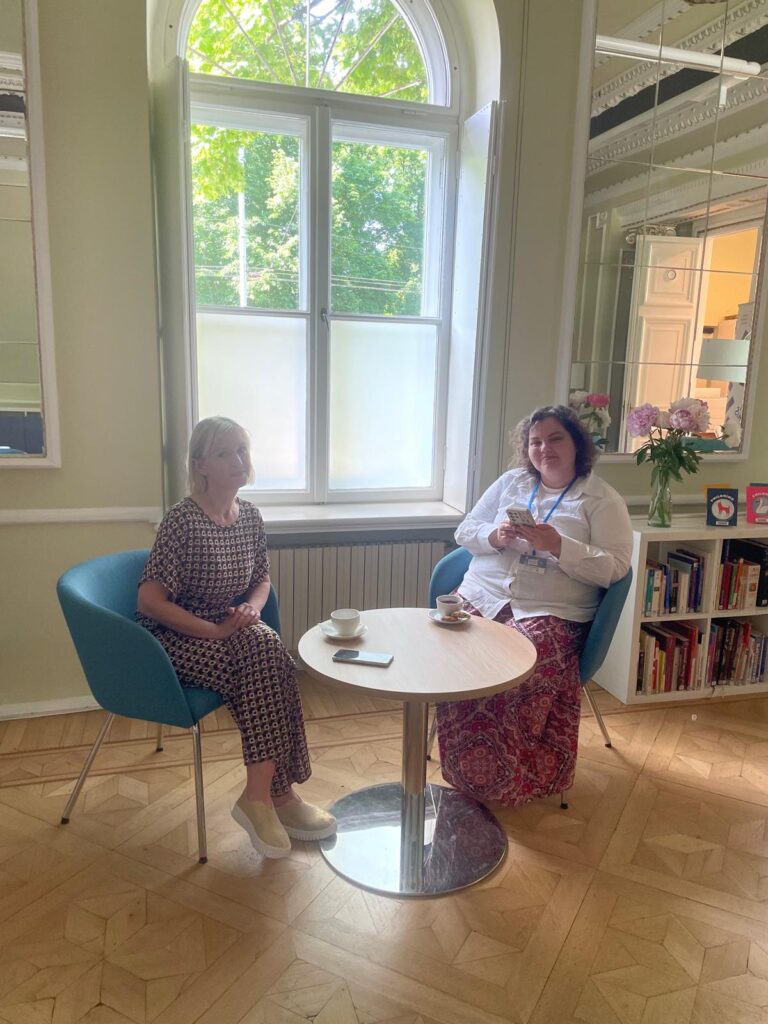
This training in Riga was a valuable experience in international training and cooperation for the Alliance Française de Lyon.
Participants left with new knowledge, practical tools and, above all, teaching ideas that they can directly put into practice in their future French classes.
Our trainers particularly appreciated the group’s enthusiasm, the richness of the discussions and the opportunity to compare our practices with those of teachers working in a different educational context.
The training created a genuine exchange around FLE, language teaching methodology and environmental education, in an atmosphere that was professional, friendly and dynamic.
The Alliance Française de Lyon warmly thanks the 18 participating teachers, as well as Claire-Élise Hubert and the French Institute of Latvia, for their warm welcome, their trust and the quality of this collaboration.