


Looking for the best schools to learn French in France? Here is the direct answer: the top French language schools for adults are the Alliance Française de Lyon, Lyon Bleu International, ELFE Paris, Alliance Française Paris, New Deal Institut in Bordeaux, and Alpadia Lyon. All hold the Qualité FLE label — the only official French government certification for French language schools.
But choosing the best school to learn French in France goes beyond a simple list. The right French language school depends on your current level, your learning goals, your budget, and the city you want to live in. This guide covers everything: types of French courses, costs, locations, class sizes, accommodation options, and key criteria to confidently select the program that fits your profile.
Why Come to France to Learn French?
Before comparing schools and cities, it helps to understand why France specifically — and not an online course or a language app — is the most effective environment for learning French. Two reasons stand out above all others: the global reach of the French language itself, and the structural advantage of full daily immersion.
French: A Global Language That Opens Every Door
French is not just a language — it is a powerful global skill. According to a 2026 report by the International Organisation of La Francophonie (OIF), French is now the fourth most widely spoken language worldwide, with 396 million speakers across five continents and 170 million active learners globally.
French is also one of the six official languages of the United Nations, and a working language of the EU, UNESCO, NATO, and the International Olympic Committee. Mastering it opens concrete doors:
- International career opportunities in diplomacy, business, and global organisations
- University enrollment in French higher education — France currently hosts over 440,000 international students
- Residency and naturalization — the French government requires a B1 level to apply
- Cultural access — French cinema, gastronomy, literature, and everyday local life from the inside
Why Immersion in France Builds Real Language Skills
Living in France forces you to use French every single day. Every grammar rule taught in the morning is reinforced in the real world: at the market, on public transport, in restaurants, and during cultural activities with locals.
Concrete example: A student following 15 lessons per week in a French immersion program can reach B1 level from zero in approximately 3 months. The same progress without immersion typically takes over a year, according to the CEFR volume of hours guide published by CIA France.
If your project — professional, academic or personal — involves the French language, coming to France is a genuine, measurable asset for your success.
What is the Experience of Studying French in France?
Many people underestimate what a language stay in France actually involves day-to-day. It is far more than sitting in a classroom. The combination of structured teaching, cultural discovery, and constant real-life practice creates a learning dynamic that is simply impossible to reproduce at home.
A Complete Life Experience — Not Just Language Classes
A typical week at a top French language school looks like this:
- Morning lessons: grammar, oral expression, vocabulary, pronunciation, and communication skills in small groups
- Afternoon cultural activities: city tours, museum visits, cooking workshops, local festivals and excursions
- Evenings in French: shared meals with a host family, local markets, social events with students from every nationality
What Students Actually Say
Students from all over the world consistently share the same view: the classroom builds your foundation, France builds your fluency.
The combination of qualified teachers, small class sizes, and constant daily immersion creates the optimal conditions for fast, lasting progress. Sharing this experience with an international community of learners — all facing the same challenges — accelerates language acquisition and builds genuine connections that extend far beyond the classroom.
What are the Locations of French Language Schools?
France offers a wide range of destinations for learning French, each with its own character, cost of living, and cultural identity. Choosing the right city is just as important as choosing the right school — your surroundings shape your immersion experience every hour of the day, not just during class.
Choose Your City, Then Choose Your School
All major French cities offer quality French language schools. Your destination shapes your entire learning experience. Each city brings its own budget level, cultural agenda, and lifestyle.
| City | Key Advantages | Key Disadvantages |
|---|---|---|
| Lyon | Human-sized city, world-renowned gastronomy, affordable living, TGV connections (Paris, Marseille, Geneva) | No beach |
| Paris | World metropolis, unmatched cultural offer, international hub | High cost of living, tight housing market |
| Nice | Sunny climate, beach, close to Cannes and Monaco | High cost of living, competitive housing |
| Montpellier | Student-friendly university city, near the sea, lively atmosphere | Limited transport network, modest cultural offer |
| Marseille | Sunny, beach, vibrant local culture, South of France | Tight housing, limited inter-city connections |
| Bordeaux | Heritage city, world-famous wine culture, charming university environment | Difficult connections to other French cities |
Why Lyon is Highly Recommended
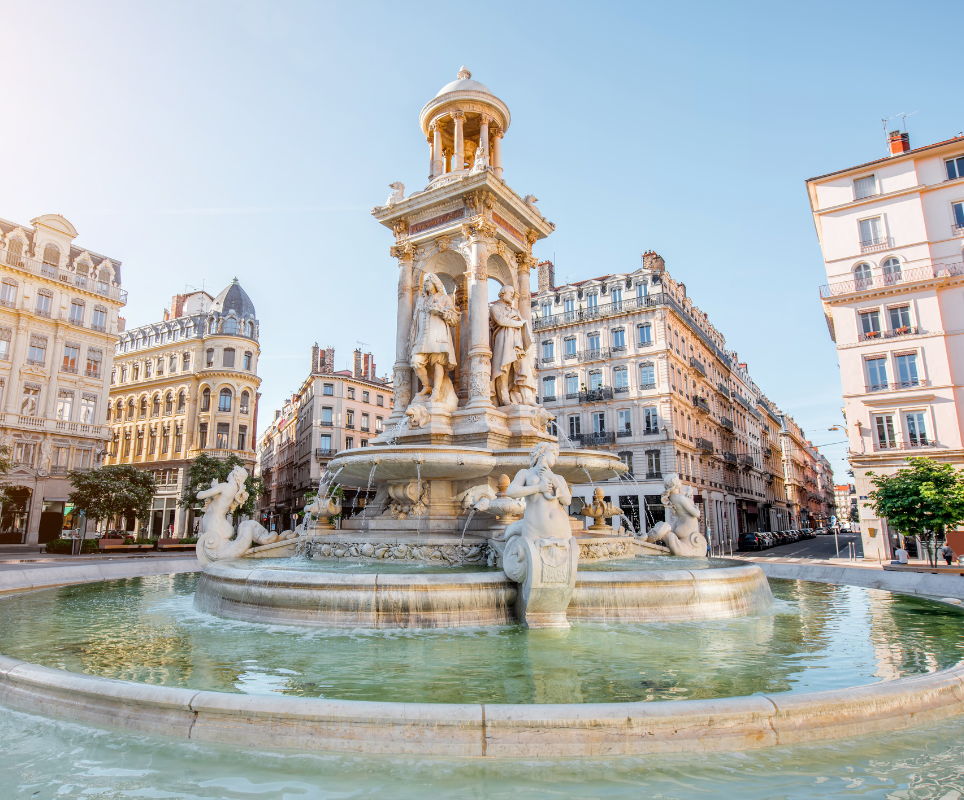
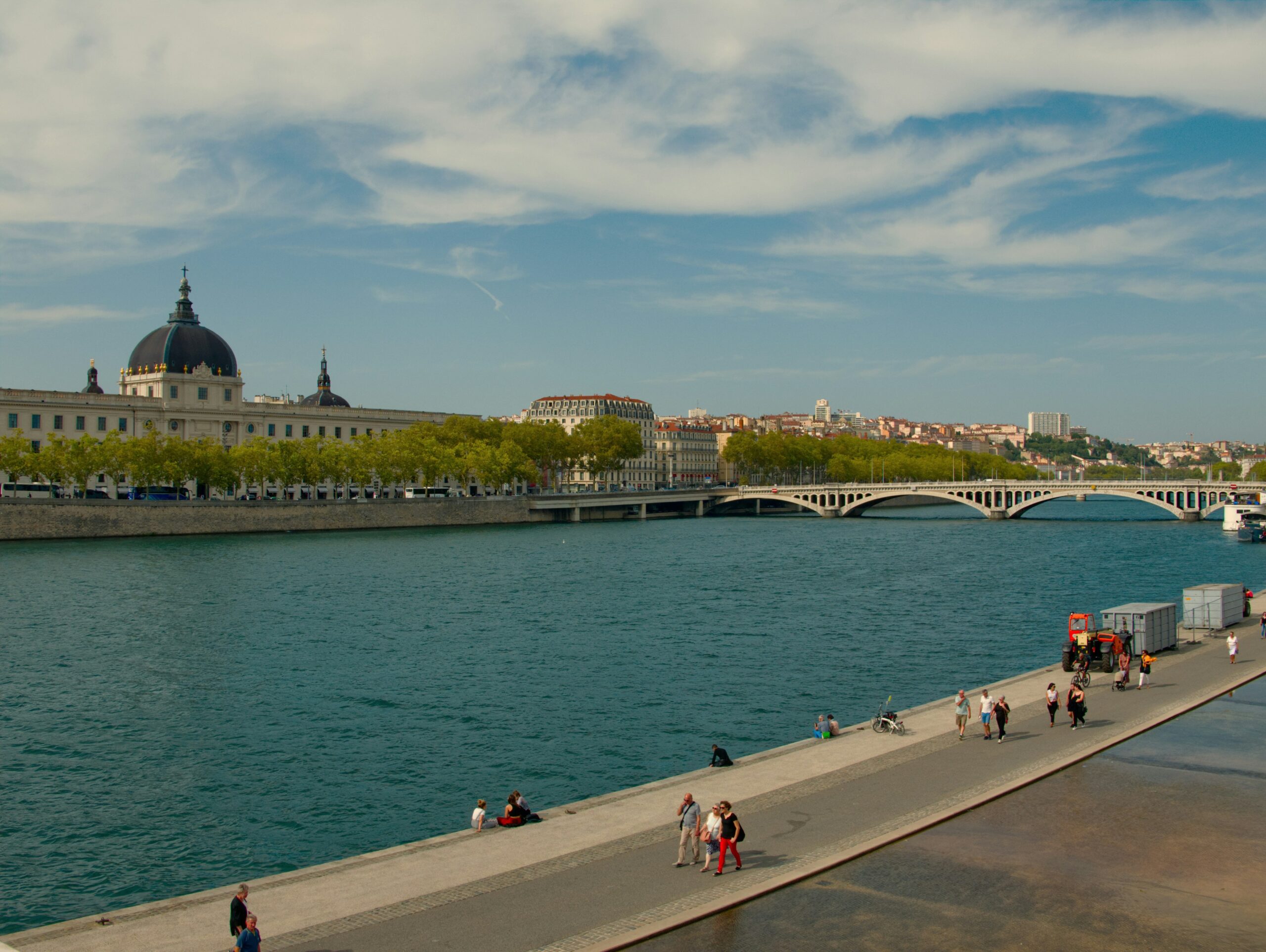
Lyon is consistently ranked among Europe’s best cities for quality of life. It stands as a top choice for international students who want to study French without Parisian prices.
Key facts about Lyon:
- Monthly student budget: approximately €700–€900
- Transport: direct TGV to Paris (2h), Marseille (1h45), and Geneva (2h)
- Culture: world-famous Festival of Lights, Nuits de Fourvière international festival, dozens of museums
- Gastronomy: globally recognised as the capital of French cuisine
Tip: Smaller cities like Lyon or Montpellier offer a stronger sense of community, more affordable living, and a more authentic local experience than Paris — ideal conditions for real language practice.
What is the Cost of Learning French in France?
Cost is one of the first things prospective students research — and rightly so. A language stay in France is an investment that covers several budget lines, not just tuition fees. Getting a clear picture from the start avoids surprises and helps you choose the city and program that genuinely fits your financial situation.
Plan Your Full Budget From Day One
The total cost of studying French in France includes four main categories: tuition, accommodation, food and transport, and cultural activities. Depending on the city you choose, the total can vary significantly.
Based on verified data from StudyConnectFrance:
| Expense | Lyon / Bordeaux | Paris |
|---|---|---|
| Accommodation (shared flat) | €350 – €600 | €600 – €900 |
| Food & groceries | €150 – €250 | €200 – €300 |
| Local transport | €30 – €40 | €50 – €75 |
| Phone & internet | €20 – €30 | €25 – €35 |
| Leisure & cultural activities | €100 – €150 | €150 – €200 |
| Monthly total | €650 – €1,070 | €1,025 – €1,510 |
Real Tuition Fees From Top Schools
To complete the picture, here are verified tuition benchmarks from leading schools:
- Alliance Française de Lyon — 1-month immersive course (80 hours): approximately €860
- ELFE Paris — standard course, 1 week (15 lessons): from €250
- Lyon Bleu International — DELF/DALF exam preparation: from €505 per week
Budget tip: In Paris, plan a minimum of €1,200/month all-inclusive. In Lyon or Bordeaux, a budget of €700–€1,000/month is realistic and manageable for most international learners.
Choose your course in Lyon
 6 months

A1 – C1

6 months over 80h/month

monday to friday / 9h – 13h

 10 months
A1 – C1
10 months over 80h/month
monday to friday / 9h – 13h
 1 month
A1 – C1
1 month over 80h/month
monday to friday / 9h – 13h
 2 weeks
A1 – C1
2 weeks over 80h/month
monday to friday / 9h – 13h
What Courses are Offered for Learning French?
The range of French language courses available in France can feel overwhelming at first. Understanding the different formats — and what they are designed for — helps you make a well-informed choice that genuinely matches your learning style, schedule, and objectives.
Multiple Options for Every Profile
French language courses in France are structured around the CEFR (Common European Framework of Reference for Languages), from A1 (complete beginner) to C2 (near-native mastery). Available course types include:
- Standard French courses — 15 to 20 lessons per week, morning group sessions, all CEFR levels
- Intensive French courses — 25 to 30 lessons per week, designed for fast progression
- Extensive courses — evening or weekend lessons, for learners with work or other commitments
- Private tuition — individual lessons fully tailored to your level and goals
- Exam preparation — DELF, DALF, TCF, and TEF programs with dedicated coaching
- Online courses — live lessons with a qualified teacher, a flexible year-round option
- Summer intensive programs — short immersive stays combining lessons with cultural excursions
How Many Lessons to Reach Each CEFR Level?
Based on the CEFR volume of hours guide by CIA France, here is a realistic progression for a student taking 15 lessons per week in an immersion setting:
| CEFR Level | Estimated Hours (Immersion) | Duration (15 lessons/week) |
|---|---|---|
| A1 | 90 – 120 hours | 6 – 8 weeks |
| A2 | +100 hours | +7 weeks |
| B1 | +130 hours | +9 weeks |
| B2 | +150 hours | +10 weeks |
| C1 | +200 hours | +13 weeks |
Teaching Methods: Action-Based Learning in the Classroom
Schools differ in how they design and deliver their programs. Some develop proprietary teaching materials; others use established textbooks adapted to their own methodology.
At the Alliance Française de Lyon, lessons are structured around the Défi manual from Éditions Maison des Langues — a proven, action-based approach to learning French as a foreign language. The school also integrates the FASP ecological project and collaborates with La Caravane des Dix Mots, a French Ministry of Culture initiative, through creative writing workshops organised outside regular class hours.
How to Choose the Best French Language School?
With dozens of schools across France, the choice can seem complex. In practice, a small number of concrete criteria narrow the field quickly and reliably. Knowing what to look for — and what questions to ask — protects both your time and your investment.
Key Criteria to Evaluate Before You Register
The criteria that make the real difference when choosing a French language school are:
- Official labels — does the school hold the Qualité FLE label and/or Qualiopi certification?
- Class size — groups of 8 to 12 students maximum ensure each learner receives sufficient teacher attention
- Teacher qualifications — are teachers specifically trained in FLE (Français Langue Étrangère)?
- Accommodation options — homestay with a French family, student residence, or partner apartments
- Cultural activities and excursions — are outings and workshops included in the program?
- Student reviews — what do real international learners actually recommend?
- Location — is the school well connected by public transport and integrated in the city?
The Qualité FLE Label: The Official Standard to Trust
The Qualité FLE label is the only official French government quality certification for French language schools. It is issued jointly by the French Ministries of Higher Education, Foreign Affairs, and Culture.
To obtain the label, a school must meet the following requirements:
- At least 3 consecutive years of French language teaching
- A minimum of 2,400 teaching hours per year for year-round schools
- Permanent, qualified teaching staff on official contracts
- Standards verified across 6 criteria: reception, premises, management, teaching team, programs, and results
The Qualiopi label complements the Qualité FLE for schools offering vocational training programs financed through professional development funds.
Practical tip: Always request a meeting with the academic team before registering. Ask about teaching methodology, class sizes, program options, and cancellation policies. A school that responds quickly and clearly is already a strong sign of quality and reliability.
What are the Best Schools to Learn French in France?
With the selection criteria in hand, here is a practical overview of the most recommended French language schools in France. The ranking is not absolute — the best school is always the one that matches your specific profile, level, and preferred city. All schools listed below hold recognised certifications and are consistently recommended by their international students.
Top Schools by City
🏙️ Lyon — Best Value and Quality of Life
Alliance Française de Lyon — Recognised by the French Ministry of National Education, welcoming over 1,200 students per year from all nationalities. Small groups from A1 to C1, year-round programs, intensive and standard courses. Holds both Qualité FLE and Qualiopi labels. Official examination centre for DELF, DALF, and TCF. Homestay accommodation support available.
Lyon Bleu International — Established school in the heart of Lyon, Qualité FLE and Qualiopi certified, recognised by Campus France. Year-round courses for adults and university groups, weekly cultural activities and excursions included. DELF/DALF exam preparation from €505 per week.
Alpadia Lyon — Part of an international language school network. Standard and intensive French courses for adults and juniors (from age 8). Strong focus on language travel packages combining lessons and guided cultural activities.
🗼 Paris — The Flagship French Immersion Destination
ELFE Paris — Qualité FLE-certified school in the heart of Paris. Intensive programs in mini-groups of up to 10 students. Standard courses from €250 per week. Specialises in adult and professional learners. Homestay accommodation with Parisian families available.
École Suisse Paris — Boutique school with small class sizes and highly personalised teaching. Praised for its warm atmosphere and flexible program options. Ideal for private tuition and short intensive stays.
Alliance Française Paris — One of the most internationally recognised French language institutions in the world. All CEFR levels from A1 to C2. Large international student community and a prestigious academic environment.
🍷 Bordeaux — Heritage, Community, and Affordable French Courses
New Deal Institut — Dynamic school in Bordeaux offering standard and intensive French courses for adult international learners, with a strong community atmosphere and highly recommended reviews from former students.
Alliance Française Bordeaux — French courses at all CEFR levels, exam preparation, and cultural activities rooted in the Bordeaux region and its world-renowned wine heritage.
Summary Comparison Table
| School | City | Key Profile | Labels |
|---|---|---|---|
| Alliance Française de Lyon | Lyon | Adults, all levels, year-round | Qualité FLE + Qualiopi |
| Lyon Bleu International | Lyon | Adults + groups, cultural focus | Qualité FLE + Qualiopi |
| Alpadia Lyon | Lyon | Adults + juniors, travel packages | Qualité FLE |
| ELFE Paris | Paris | Adults + professionals, mini-groups | Qualité FLE |
| Alliance Française Paris | Paris | All levels, large international community | Qualité FLE |
| New Deal Institut | Bordeaux | Adults, intensive programs | Qualité FLE |
| Alliance Française Bordeaux | Bordeaux | All levels, cultural immersion | Qualité FLE |
Conclusion
France is the world’s leading destination to study French as a foreign language. Full immersion, Qualité FLE-certified schools, expert teachers, and a rich cultural environment combine to deliver real, lasting language skills that no app or standard online course can replicate.
The best French language school is the one that matches your profile. Use the Qualité FLE label as your first filter. Then compare class sizes, course formats, accommodation options, cultural activities, and student reviews.
For an affordable, culturally rich, and internationally well-connected destination, Lyon stands out as the top choice for international adult learners. Ready to start? Connect directly with the academic teams of the schools listed above, share your project and current level, and let them guide you to the right program.